Documentation / Market
04 / 22
The robotics data bottleneck
Robots need physical experience, but useful robotics data remains scarce.
Teleoperation records a robot performing the task, first-person video captures how people move through the same work, and simulation creates controlled episodes that can be repeated. Each source answers a different question and arrives with different sensors, timing and context.
The Transformer became the standard
It created a shared architecture that scaled across tasks and powered ChatGPT.
ChatGPT took the breakthrough to the mass market
Researchers are testing three possible paths in parallel
Teams train each approach on different robots, tasks and datasets, then test whether it can generalise beyond its original setup, but results remain difficult to compare across labs.
- VLA / VLMVision and language to action
- World modelsLearn physical dynamics
- Sim-to-realSimulate, then transfer
| Type of data | Open benchmark | How THOR scales this |
|---|---|---|
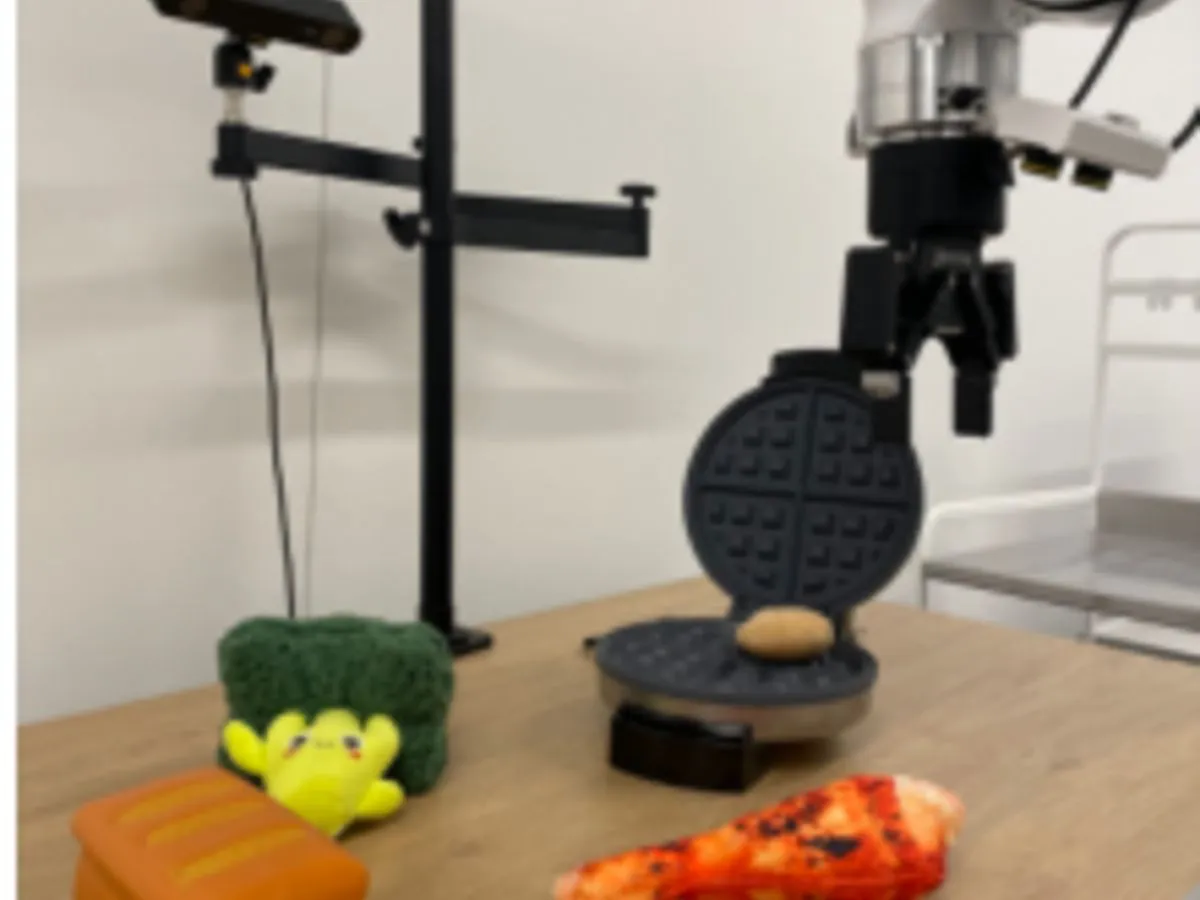 Teleoperation Teleoperation | DROID76K demonstrations | Source robot demonstrations through the subnet across more robots, tasks and environments. |
 Video Video | Ego4D3,670 hours | Source egocentric footage from phones, glasses and wearable capture hardware. |
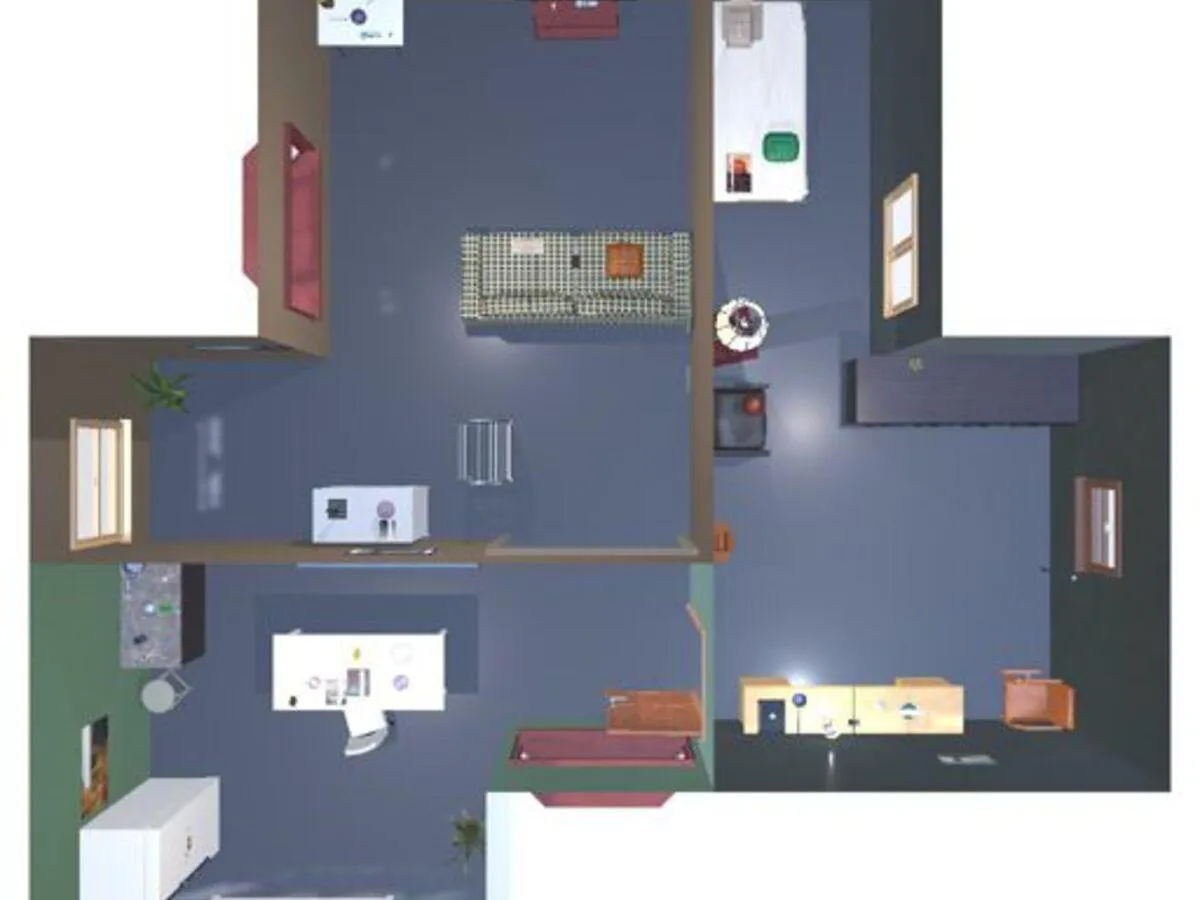 Simulation Simulation | ProcTHOR10K interactive homes | Expand coverage with procedurally generated environments and long-tail scenarios. |
- TeleoperationDROID · 76K demonstrationsSource robot demonstrations through the subnet across more robots, tasks and environments.
- VideoEgo4D · 3,670 hoursSource egocentric footage from phones, glasses and wearable capture hardware.
- SimulationProcTHOR · 10K interactive homesExpand coverage with procedurally generated environments and long-tail scenarios.
- THOR expands robot data supply through the subnet
- THOR improves robot data quality through annotation
Language models absorb trillions of tokens and image models draw from billions of paired examples. Robotics data is still counted in trajectories, many of which require a person, a machine or a useful simulation to perform the underlying action.
- Language models: 15T+ tokens (Meta / Llama 3)
- Image models: 5.85B image–text pairs (LAION-5B)
- Multimodal models: 234M video–text clips (InternVid)
- Autonomous vehicles: 6.5B+ fsd miles (Tesla)
- Robotics models: 1M+ trajectories (Open X)
A model cannot use those sources well until the task has been defined, the behaviour has been described and the output has been checked. Useful supply is measured by whether that experience can train or test a model, while hours of footage alone say little.
Supply has to grow without lowering the standard. That means making physical work easier to commission and giving buyers a reliable way to reject data that does not match the intended use.