Documentation / Start here
03 / 17
THOR ecosystem
Six connected capabilities advancing open robotics: Data, Simulation, Hardware, Research, China and Deployment.
On this page
THOR's wider ambition connects the data robots learn from with the models, equipment and operating environments that make them useful. Six complementary areas support that Data → Models → Hardware direction.
THOR Data is the commercial starting point, with signed robotics annotation contracts. The other areas describe the group's developing capabilities and longer-term ambitions. Their scope grows around demonstrated demand and research needs.

 THOR GroupShared brand, capital, research relationships, contributor network and open source coordination
| Pillar | Area | Role | Potential revenue |
|---|---|---|---|
| Training infrastructure |  | Specified annotation + data services | Fees + data services |
 | Scalable training environments | Software + licensing | |
| Physical systems |  | Capture + robot hardware | Product margin |
 | Industry pilots + integration | Recurring services | |
| Ecosystem & access |  | Labs + open research | Contracts + IP |
 | Manufacturing & market access | Sourcing + distribution |
- Specified annotation + data servicesPotential revenue: Fees + data services
- Scalable training environmentsPotential revenue: Software + licensing
- Capture + robot hardwarePotential revenue: Product margin
- Industry pilots + integrationPotential revenue: Recurring services
- Labs + open researchPotential revenue: Contracts + IP
- Manufacturing & market accessPotential revenue: Sourcing + distribution
Developing around research needs and commercial demand.
Data
- Purpose: commission purpose-built training datasets, starting with expert robotics video annotation. Buyers define the requirement and acceptance criteria; THOR coordinates production, verification and delivery.
- Connections: research shapes useful tasks and evaluation standards. Hardware and deployment can supply physical experience, while simulation can complement collected data with controlled variation.
- Current focus: deliver customer contracts through qualified, whitelisted annotation firms during the private beta, then open annotation to permissionless participation after beta. Complete dataset commissions and agent-directed requests are longer-term ambitions.
The THOR Data overview introduces the service. The orderbook explains the value for buyers, suppliers and THOR through an illustrative contract.
Simulation
- Purpose: expand training coverage and support repeatable evaluation through virtual environments. Scene configuration, robot state and task outcomes can provide reference information alongside generated experience.
- Connections: research defines what a useful environment needs to measure; physical recordings and deployment results help identify conditions to reproduce and test.
- Longer-term ambition: recreate relevant settings and vary objects, lighting and physical conditions at software speed. Evaluation must establish how well simulated conditions represent the task and whether results transfer to physical systems.
Simulation complements captured experience by making selected conditions easier to vary and repeat. It can help test a model's weaknesses before further collection or field work.
- 1 / Capture
Record the scene, task and physical conditions that matter.
- 2 / Recreate
Build a virtual environment and check it against the target task.
- 3 / Vary
Change objects, lighting or physical conditions to test new situations.
Simulated states can provide reference labels. Evaluation still needs to establish realism and transfer to physical systems.
Hardware
- Purpose: develop affordable capture kits, interfaces and reproducible designs that teams can build, maintain and adapt.
- Connections: consistent cameras, sensors and controls make physical recordings easier to compare and reuse. Research requirements guide equipment choices, and deployment reveals where designs need improvement.
- Longer-term ambition: publish useful designs with clear reuse rights and develop equipment around demonstrated data and operating needs.
Open hardware can lower the equipment barrier for independent contributors and researchers. Capture equipment also supports data production before later ambitions for broader physical systems.
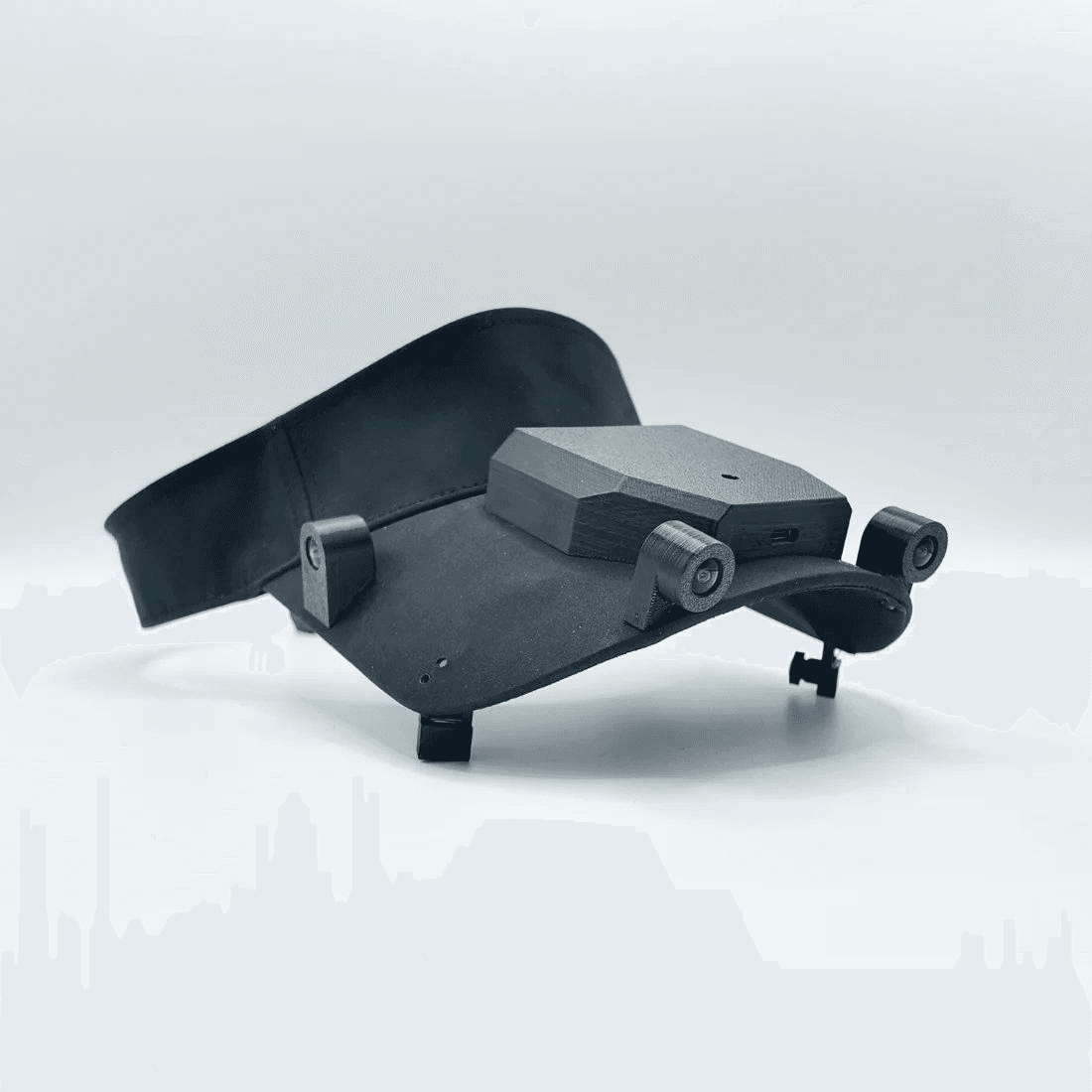 Ego capture kit
Record tasks from the wearer's viewpoint.
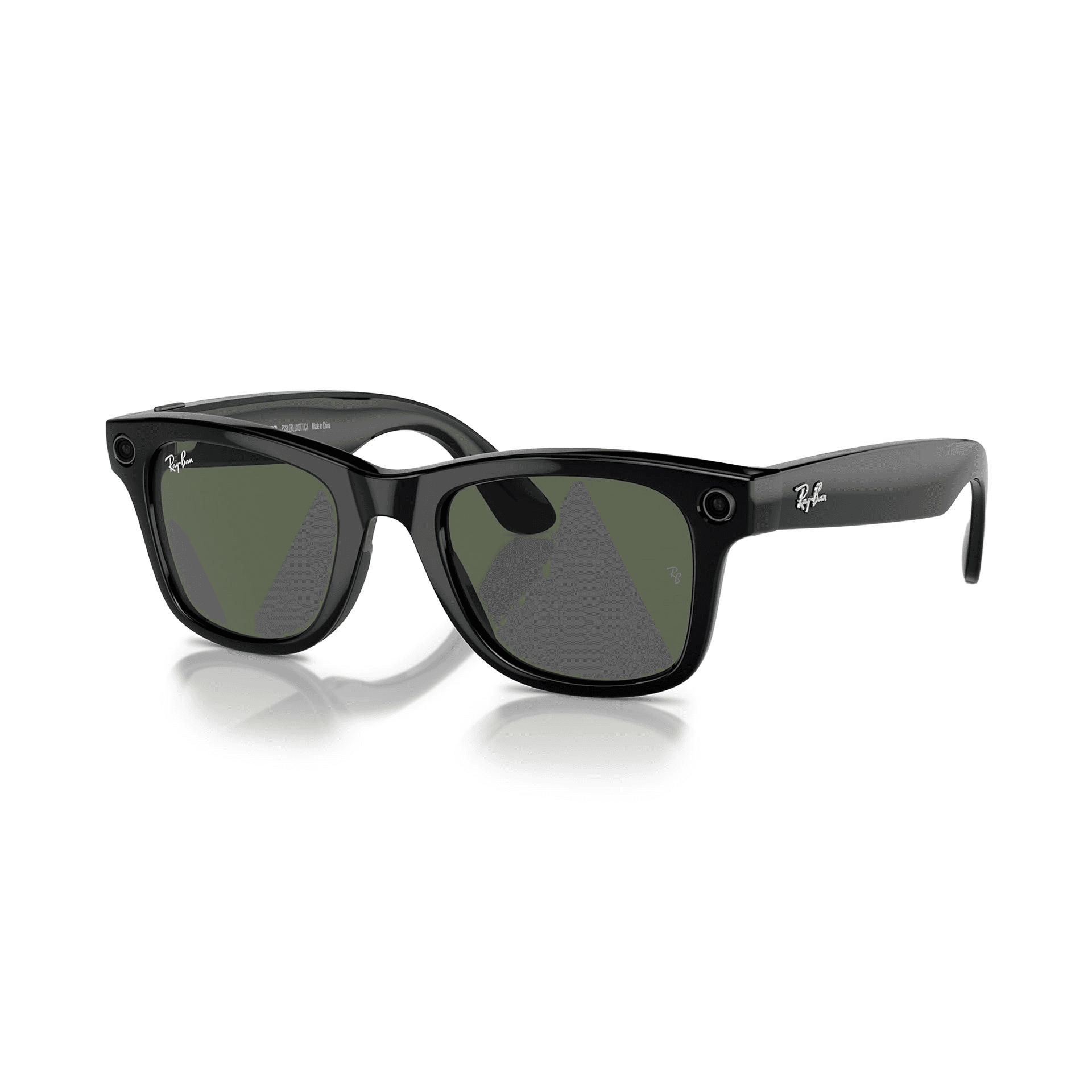 Camera glasses
Capture first-person activity with a wearable camera.
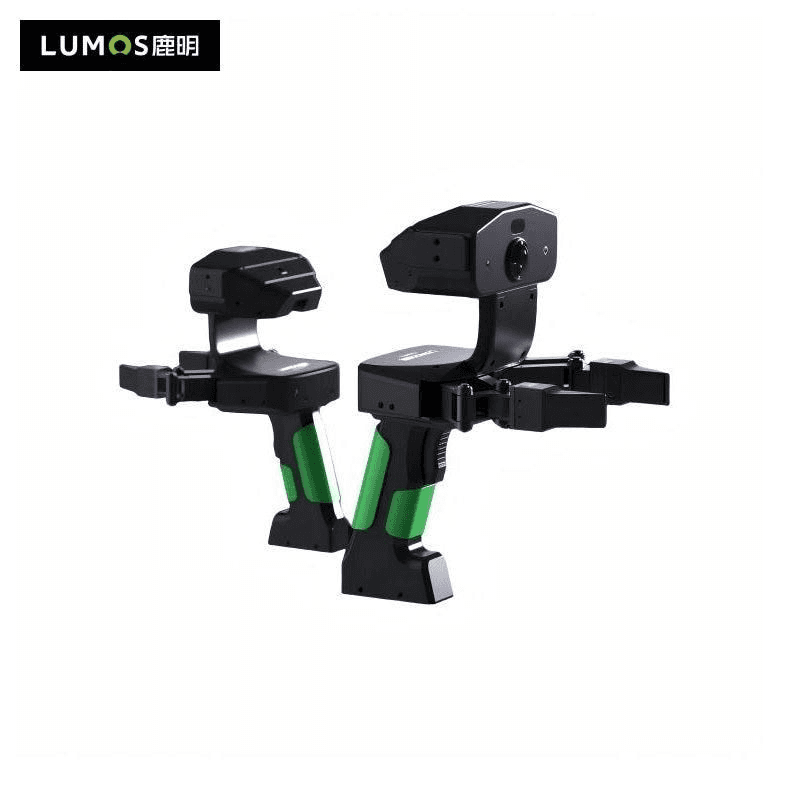 UMI-style capture kit
Record manipulation demonstrations with a handheld interface.
Illustrative equipment categories. THOR hardware designs and open capture tools remain a longer-term development ambition.
Research
- Purpose: support university teams and independent laboratories developing open robotics capabilities, including models, task definitions, benchmarks and reproducible evaluation methods.
- Connections: research questions become data briefs, simulation requirements or hardware needs. Production and deployment return evidence about model weaknesses and practical constraints.
- Longer-term ambition: contribute model weights, training code, datasets and evaluation tools that other teams can inspect, reproduce and improve, with clear release rights.
Research keeps the wider mission focused on shared progress. What openness means explains how public releases and reusable methods coexist with private customer work.
China
- Purpose: develop a bridge between China's manufacturing and robotics ecosystem and researchers and builders internationally.
- Connections: manufacturing relationships, sourcing and access to physical experience can support compatible hardware, data collection and industry collaboration.
- Developing focus: build relationships around clear requirements, quality standards and rights to use the results. Specific services and access arrangements depend on those relationships and project terms.
The intended benefit is practical collaboration: researchers can source suitable equipment or commission relevant experience, while manufacturers can draw on advances in open models and software.
Deployment
- Purpose: integrate and evaluate robotics systems against bounded customer operating problems.
- Connections: deployment brings data, models, simulation and hardware together. Field failures generate new research questions, data briefs and equipment requirements.
- Longer-term ambition: deliver industry pilots with defined objectives and evidence from the environment where the system is expected to work.
Real-world results close the feedback loop. They show which capabilities transfer beyond controlled demonstrations and where further development is needed.
Commercial activity and shared progress
Customers may begin with annotation and later need collection, equipment or help evaluating a model. Those needs can create opportunities across the ecosystem, with each activity establishing its own delivery capability and viable economics.
The visual's revenue sources describe potential business models. Customer-funded SN112 alpha buybacks are confirmed for the data operating model described in Demand-first token economics. Allocations from other future group activities require their own policies.
The open-source aim runs across all six areas: reusable specifications, tools, research outputs and designs can help independent teams build on one another's work. Customer material and licensed technology remain governed by their agreed rights.
What THOR is explains how the work compounds. The roadmap sets out the Data → Models → Hardware direction without fixed rollout deadlines.